

Important Features of NDIS HOME Care With Disabilities
Caring for people with disabilities requires specific knowledge and constant attention. It is essential to assess their personal and medical history to provide appropriate care. For this, Maintaining moderate physical activity and maintaining good personal hygiene are essential. In addition, it’s important to nurture emotional well-being by offering companionship and shared activities.
Regarding care options, some prefer the closeness of a family member, but a professional caregiver can also be introduced gradually. Specialized companies offer professional NDIS home care Pt Adelaide services and resources for the care of people with disabilities.
In this blog, we explain what their work entails and how it can transform the life of your loved one.
What does a Caregiver for Disabled People Do?
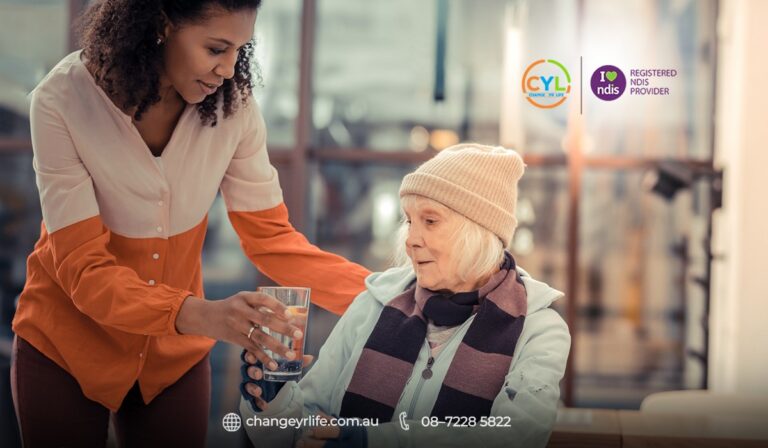
A caregiver for people with disabilities assists with daily activities such as personal hygiene, eating, and mobility. They also provide emotional support, prescribed medications, and help them to participate in social and recreational activities. This will promote the autonomy and well-being of the person with a disability or special needs.
Care and Support for People With Disabilities
Caring for and supporting people with disabilities require a specialized and attentive approach to meet their special needs. To provide appropriate care, it is essential to thoroughly evaluate the person’s personal and medical history. This allows us to better understand their condition and tailor care to their specific needs.
[1] Evaluation of Personal and Medical History
Evaluating personal and medical history is essential to understand how disability affects the person in different aspects of their daily life. This includes understanding relevant medical history, functional limitations, and specific care needs. With this information, we can design an individualized care plan that effectively addresses the person’s needs.
[2] Specific Care According To the Type of Disability and Age
People with disabilities have a wide range of conditions and needs depending on the type of disability and their age. It is important to consider these differences to provide appropriate care.
- Some disabilities may require adaptations to the physical environment, use of assistive devices, and specific therapies.
- In addition, age can also influence care needs, as the care for a child with a disability may differ from that of an older adult.
[3] Moderate Physical Activity to Prevent Muscle Deterioration
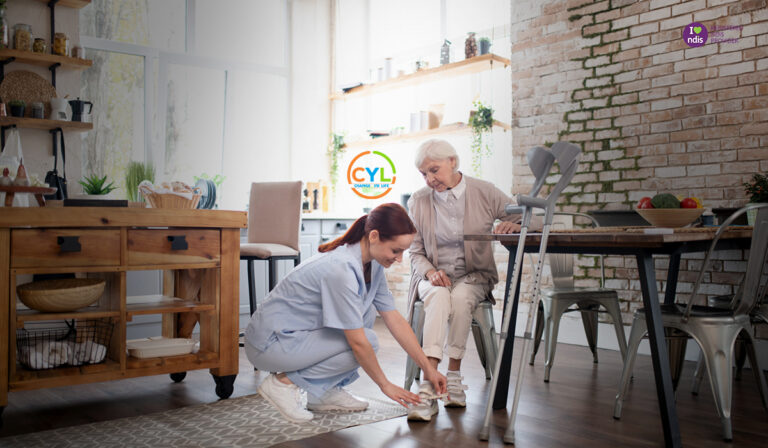
Moderate physical activity is crucial for maintaining and improving muscle function in people with disabilities. Although abilities may be limited, it is important to promote mobility and prevent muscle deterioration. This can be achieved through specific exercises adapted to individual capabilities, both in bed and through walks or other activities they can perform.
A gradual approach, supervised by health professionals, is essential to ensure the safety and effectiveness of physical activity in people with disabilities.
- Thoroughly evaluate the person’s personal and medical history to understand their specific needs.
- Adapt care according to the type of disability and age of the person.
- Promote moderate and adapted physical activity to prevent muscle deterioration.
Personal Hygiene and Daily Care Of People with Disabilities
Personal hygiene takes on special importance in the care of people with disabilities, as it contributes to their well-being and quality of life. Maintain good personal hygiene, including regular bathing, hand washing, and proper clothing care. In addition, it is essential to pay special attention to sensitive areas and areas prone to sweating or irritation.
[1] Importance of personal hygiene
Personal hygiene not only has health benefits, but also contributes to the emotional and social well-being of people with disabilities. Maintaining good hygiene can help prevent infections, irritations, and bad odors, thus promoting a person’s comfort and self-esteem. It is essential to ensure that the person has the appropriate resources and support to perform personal hygiene activities independently or with assistance.
[2] Use of articulated beds for changing postures and exercises in bed
In the daily care of people with disabilities, adjustable beds play a fundamental role. These beds allow for adjusting the person’s body position, facilitating changes in posture and helping to prevent pressure ulcers. In addition, adjustable beds also offer the possibility of performing exercises in bed, which contributes to maintaining good blood circulation and strengthening muscles.
[3] Establishing fixed schedules and daily routines
To ensure adequate care and attention for people with disabilities, it is important to establish fixed schedules and daily routines.
This provides structure and a sense of order, which can help people with disabilities feel safer and more comfortable. Furthermore, establishing fixed schedules for activities such as meals, bathing, and rest contributes to promoting good health and overall well-being.
Caring for the Emotional Well-being of People With Disabilities
Caring for emotional well-being is fundamental for people with disabilities, as they often face challenges and difficulties in their daily lives.In this sense, it is important to provide them with constant physical and emotional support so that they feel supported and understood.
[1] Physical and Emotional Support
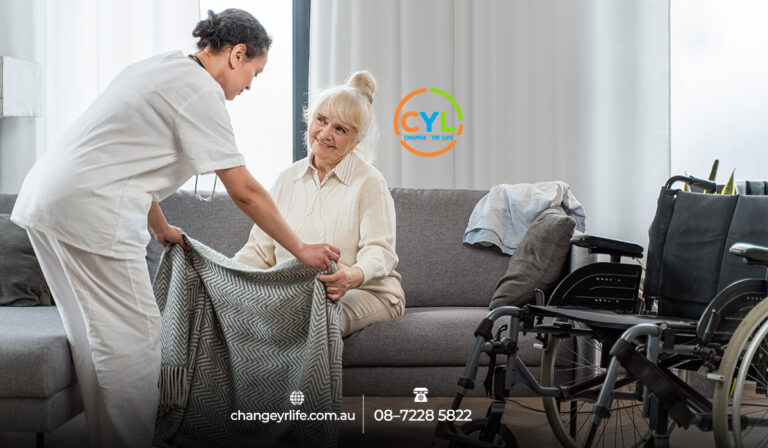
Physical support involves being present and available to the person with a disability at all times. It is essential to provide them with safety, care, and assistance with basic daily activities, such as mobility, personal hygiene, and eating.
In addition to physical support, it is equally important to offer appropriate emotional support. This involves actively listening to the person, validating their feelings and emotions, and providing them with a safe space where they can express themselves without fear of judgment. Empathy and understanding are key to establishing a bond of trust and strengthening their emotional well-being.
[2] Conducting Joint Activities and Meaningful Conversations
Doing joint activities is an excellent way to promote the emotional well-being of people with disabilities. These activities can vary according to each individual’s preferences and interests, such as playing board games, doing crafts, watching movies, reading books, or listening to music together. These activities not only provide entertainment but also strengthen emotional bonds and create moments of joy and connection.
Likewise, having meaningful conversations is essential for the emotional well-being of people with disabilities. These conversations can address a range of topics, from their interests and aspirations to their worries and fears. Listening attentively, offering advice, and providing a trusting environment will boost their self-esteem and help them develop communication skills.
Caregivers of People with Disabilities
[1] Preference for Care by Close Relatives
In many cases, people with disabilities prefer to be cared for by close relatives due to the emotional bond and trust established. This type of care offers the comfort of familiarity and allows for a greater degree of intimacy and understanding of individual needs. Close family members can adapt more quickly and flexibly to the different situations and changing demands of the person with a disability.
[2] Gradual Introduction of Professional Caregivers for People with Disabilities
In cases where it is not possible or desirable to have a family member as the primary caregiver, the gradual introduction of professional caregivers can be considered. This transition can help establish a relationship of trust and comfort for the person with a disability. It is essential to select caregivers with experience and specific training in the care of people with disabilities, thus ensuring quality care adapted to individual needs.
[3] Companies Specializing In the Care of People with Disabilities
There are companies specializing in the care of people with disabilities that offer a wide range of services to meet the individual needs of each person. These companies employ trained and qualified caregivers to provide personalized, high-quality care. These companies stand out for their experience and professionalism, providing comprehensive support and assistance in the care of people with disabilities.
The Importance of Caregivers Service
Home care goes beyond mere practical support, constituting a fundamental pillar for the dignity and quality of life of dependent individuals. This service allows users to remain in their familiar surroundings, a determining factor in their emotional well-being and stability.
For families, it represents important support that complements the care they provide themselves. The presence of qualified professionals reduces the burden on the primary caregiver, allowing them to balance other work and personal responsibilities.
From a socioeconomic perspective, NDIS home-based care is more efficient than premature admission to a care facility, as the costs of residential care placements are typically significantly higher. Equally important is the creation of skilled jobs in a traditionally undervalued and precarious sector.
Remaining at home promotes independence for dependent individuals and slows functional decline in many cases. Additionally, these services facilitate the early detection of health problems or risk factors. Professionals can identify subtle changes in users’ physical or cognitive condition, enabling preventative interventions that avoid more serious complications.
Conclusion
Hiring a caregiver for elderly people at home not only improves the well-being of the person being cared for, but also that of the entire family. It provides support, companionship, and security in the place where the person feels most comfortable: their own home.
So, if you are looking for the best Disabled home care services Pt Adelaide, At Change Yr Life, we work every day to offer a personalized, professional, and compassionate service. If you need support caring for a loved one, we are here to help with the experience and commitment that define us.
For more details, get in touch with us!