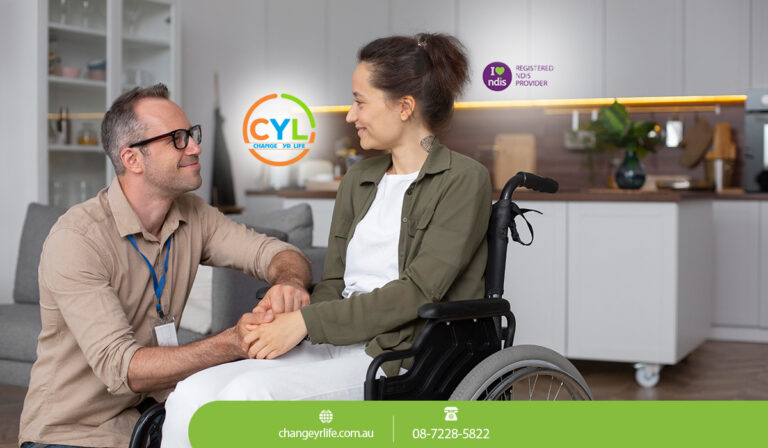


Compassionate Support Through Disabled Home Care Services
Living independently with a disability can come with challenges, but the right support can make a huge difference. Services such as Disabled home care services in Pt Adelaide has been designed to offer tailored assistance to the NDIS participants within the comfort of their own house. Whether you need help with daily tasks, personal care, or emotional support, these services ensure that individuals maintain their independence while receiving the care they deserve.
In this guide, we’ll break down what these services include, who can access them, and practical tips for choosing the right provider to create a safe, comfortable, and empowering home environment.
Understanding Disabled Home Care Services
Disabled home care services are professional support programs that assist individuals with disabilities in performing daily tasks safely and independently. These services are designed to meet the unique needs of each person, providing a blend of physical, emotional, and practical support.
Let’s take a look at some of the key features about this home care service:
1. Personalised care plans
Home care services are tailored to address specific needs, capabilities, and long-term goals, rather than a routine or standardized process. This provides a more personalized service that meets individual preferences, cultural, and lifestyle needs.
2. Stronger family connections
Home care services can be scheduled according to a person’s routine, appointments, or preferred time for activities. This provides a flexible service that meets a person’s lifestyle needs, rather than having the person conform to a routine or standardized process.
3. Flexibility in scheduling
The timing of the services can be personalized based on individual routines, medical schedules, and individual activity times. This ensures that the individual does not have to change their routine for the needs of the care system, which can be inflexible.
4. Holistic well-being
Home care services provide for the individual’s needs, which go beyond the physical domain. This ensures that the individual has a balanced development with consideration for the mental and social domains.
Who Can Opt for this Service?
And if you are wondering who can derive benefit from this service, well’s here’s a list of people who can opt for this service –
- Individuals with physical disabilities: People with mobility issues can get assistance with mobility, personal hygiene, and daily activities from NDIS disabled home care services.
- Elderly individuals with disabilities: Senior citizens can get NDIS disabled home care services that focus on both aging and disability issues.
- Families seeking respite care: Parents and caregivers can have a break, knowing that their loved one is receiving professional assistance.
- Clients under NDIS plans: Clients who are covered under the NDIS plan can get funding to cover home care services. However, the NDIS participants must fulfill the eligibility criteria.
- People with intellectual or developmental disabilities: NDIS disabled home care services also offer support in the areas of communication, planning, and social interactions.
- People recovering from surgery or injury: A temporary disabled home care service is offered to the individuals who have either endured a surgery or injury. This ensures that recovery is smooth and safe at home.
- Individuals with chronic illnesses: Daily assistance to the individuals suffering from chronic illness ensures medication, nutrition, and monitoring of symptoms.
- Anyone requiring personalised care plans: Each and every assistance is given to the clients based on their unique needs, capabilities, and aspirations.
Types of Services Offered Under Disabled Home Care Services
Disabled home care services can vary depending on the provider, but they typically cover a wide spectrum of support options. Here are some of the popular ones –
1. Personal care support
- Daily living activities: Personal care services are geared towards assisting participants in performing daily activities, including bathing, dressing, grooming, and toilet use. Personal care ensures that participants are adequately prepared to face the day in a comfortable and confident manner.
- Medication management: Caregivers are trained to assist participants in remembering to take their medications appropriately, thereby ensuring timely intake of medications. Health and safety are a priority, and participants are assisted in adhering to their medical regimens accordingly.
2. Household Assistance
- Cleaning and organisation: NDIS caregivers offers cleaning and organisation supportto the disabled members so they can stay in a clean and accessible living environment. This includes services such as cleaning, laundry services, and organizing the home to ensure a healthy environment.
- Meal preparation: Meal planning and preparation of healthy meals is a basic service provided by care services. The care staff works with the clients to plan a meal that suits their preferences as well as their nutritional needs.
3. Social and Community Engagement
- Companionship service: This provides companionship, which is helpful in reducing the feeling of loneliness and isolation. This is important since it greatly improves the emotional state of the patient.
- Community participation: The NDIS caregivers offer their support to make sure that the patient is able to participate in the activities of the community. The caregivers provides this support by assisting participants in attending local social functions or participating in club activitie This is vital in ensuring the patient feels they belong.
4. Transportation Assistance
- Safe transport services: Reliable transportation assistance is provided to people who need assistance to go to appointments, social events, and leisure activities. Safe and accessible transportation ensures comfortable and timely travel to necessary destinations.
- Support during outings: The care staff is always present to accompany clients during outings, providing not just physical assistance but emotional support as well. This kind of experience tends to be enjoyable, comfortable, and stress-free.
Benefits of Receiving Care At Home for People with Disabilities
Home care offers numerous advantages over institutional care, especially for individuals with disabilities. Here’s why receiving care at home can be life-changing –
1. Familiar and comfortable environment
The advantage of staying at home is that an individual remains surrounded by his/her personal belongings and memories, which instill a sense of security within them. This reduces stress and anxiety to a great extent, which is very important for an individual’s emotional stability.
2. Independence and autonomy
Receiving care while staying at home provides an individual with the advantage of making his/her own decisions regarding daily activities and routines. This enhances self-confidence and reinforces an individual’s dignity and participation in daily activities.
3. Reduced risk of infections
In an institution, there is always a high chance of an individual coming into contact with other patients and thus contracting diseases. However, receiving care while staying at home reduces this probability and provides a safer environment for an individual’s health.
4. Better adherence to health routines
The consistent and one-on-one interaction with a person ensures that they consume their medication and receive therapy as recommended. This significantly contributes to better health outcomes and stability.
Conclusion
Disabled home care services provide an essential foundation for living independently and confidently at home. By offering personalized support, safety measures, and professional assistance, these services ensure that individuals with disabilities can thrive in familiar surroundings.
For those seeking comprehensive guidance and reliable care, Change Yr Life delivers exceptional services, including NDIS Support Coordination in Pt Adelaide, helping clients navigate support options, access funding, and receive tailored care plans. Combining professional expertise with compassionate support, we empower clients and families to achieve greater independence, well-being, and life satisfaction.