
Let’s Discover the Importance of Hiring Ndis Disability Home Care Services
When it comes to ensuring the comfort and safety of elderly or dependent individuals, choosing qualified NDIS Disability home care services in Pt Adelaide becomes a priority. This is one of the most important decisions you can make to ensure the quality of life and well-being of your loved ones. As the demand for these services continues to grow, it’s crucial to be careful and make informed choices. By doing so, you not only ensure your family member receives the best care, but you can also provide them with an experience that allows them to maintain their independence and comfort in their own home.
However, this process should not be taken lightly, as it involves a number of key factors ranging from the specific needs of the patient to the character of the staff who will provide the care.
Below, we will share all the details about NDIS disability home care services and the types of conditions that are considered disabilities.
What Is The NDIS Disability Home Care Service?
NDIS Disability Home Care services are becoming an increasingly popular option for families needing support to care for dependent individuals, whether elderly, ill, or disabled. This type of service allows patients to receive personalized care in the comfort of their own homes, providing them with a greater sense of security and well-being. The services offered can vary depending on individual needs, ranging from physical and emotional support to specialized medical care.
Depending on the level of assistance required, these services may include basic household tasks, such as cleaning or preparing meals, as well as more advanced medical care, such as administering medication, physiotherapy, or monitoring chronic illnesses.
Know About The Main Types Of Disabilities That Need Serious Intervention
i) Intellectual Disability
People living with intellectual disabilities may find it difficult to retain information, learn, and communicate. Most children with this condition learn and develop much more slowly than non-disabled children. Intellectual disability also affects general mental abilities such as intelligence and adaptive functioning.
ii) Physical Disability
A person has a physical disability when their mobility, stamina, physical capacity, or even agility are affected by a physical condition such as a spinal cord injury, cerebral palsy, multiple sclerosis, epilepsy, respiratory conditions, hearing, or visual disabilities. Physical disabilities can either be congenital or hereditary, and others might be temporary, while others are permanent.
iii) Sensory Disability
These are long-lasting disabilities that most people are either born with or acquire throughout their lives. They include blindness, deafness, severe speech impediments, and severe hearing and vision impairments. This form of disability is caused by Usher syndrome or injuries and infections.
iv) People with mental health conditions
Mental illness is a general term for a group of illnesses that affect the mind or brain. These illnesses, which include bipolar disorder, depression, schizophrenia, anxiety, and personality disorders, affect the way a person thinks, feels, and acts.
Below, we will share all the details about NDIS disability home care services and the types of conditions that are considered disabilities. Whatever health issue you may have, you can receive all kinds of support from NDIS carers. They are trained to assist with daily living, medical needs, and emotional well-being. With the right NDIS support, individuals can live more independently and confidently.
What Kind Of Support do Disabled People Need?
The types of home care services a person may need vary considerably from individual to individual. Some seniors continue to tend their gardens well into their 80s, while others, due to certain conditions, may need help with daily tasks. Here is a list of the most common types of assistance for seniors.
a) Personal care:
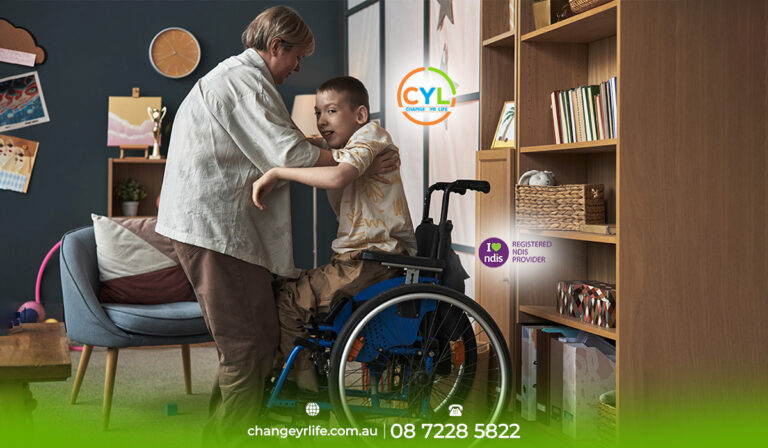
Personal care includes basic activities such as dressing, moving around the house, washing, combing hair, or walking. Some older people have reduced mobility and need help with these kinds of things.
b) Medication management:
The medication plan is established by a doctor, but a caregiver can be responsible for ensuring that the treatment is followed correctly and that there are no overdoses or missed doses. In some cases, particularly when an injection is required, this type of care must be provided by a registered nurse. The caregiver can also monitor for side effects caused by the medications.
c) Assistance with food and meals :
Nutrition is essential for maintaining good health, and seniors often have specific dietary needs. Meal assistance can take many forms. A registered dietitian can prepare a weekly menu, and a caregiver can prepare meals in advance and freeze them. It can also involve using services like Meals on Wheels or helping to coordinate regular delivery services.
d) Housekeeping Assistance:
As we lose mobility or strength with age, housekeeping assistance may become necessary. This can include tasks such as cleaning, garbage and recycling management, laundry, tidying, ironing, etc.
e) Mobility and Transportation:
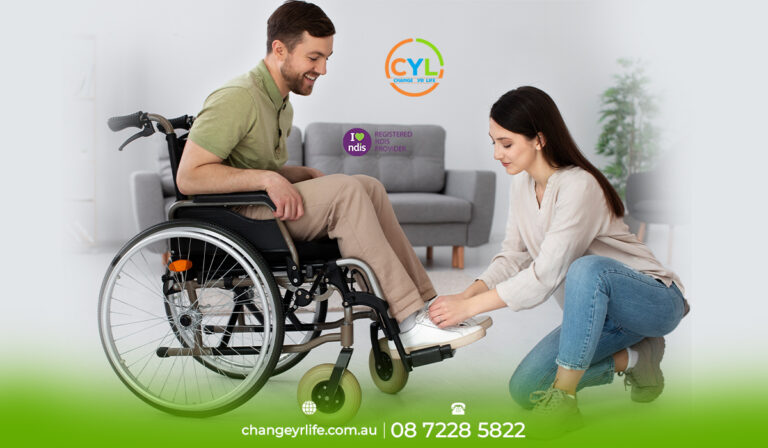
Mobility includes assistance with transportation, either by driving the person or by helping them use public transportation or private transportation services, such as a taxi. It is also important to assess the accessibility of the home, especially if the older person uses a wheelchair or a walker.
e) Nursing care:
This type of care is provided by a registered nurse. It can be given regularly if the person needs medical monitoring or treatment, such as dialysis or wound care. Nursing care can also be provided for a limited period, for example, after an operation or for hospital-based home care.
f) Palliative Services:
services aimed at relieving pain and mitigating other effects related to a serious illness may be offered, whether in an end-of-life context or not.
g) Financial Management:
Assistance with financial and legal matters may also be required.
h) Companionship:
Companionship may seem less important than more tangible care, but it can make a huge difference in an older person’s quality of life. Companions can help with certain non-professional tasks, and they also provide emotional support. For example, they can simply spend time with the person, listen to them, play games, or participate in cognitive activities.
How To Choose the Right NDIS Home Care Service For Your Loved One?
1) Assessing the Needs of the Loved One
Before choosing a home care service, it’s crucial to understand the specific needs of the person being cared for. Some questions to ask yourself include: Do they need physical support to move around? Do they require assistance with daily activities, such as eating, bathing, or dressing? Do they have special medical needs, such as medication administration or physical therapy? Understanding the profile of the person the service is intended for is crucial to providing the most appropriate care.
Understanding these needs will allow you to choose the most appropriate type of care and level of assistance that your loved one will require.
2) Types of home care services
Home care services vary depending on the patient’s needs. Some services include:
- Personal assistance: Help with daily activities, such as bathing, eating, and personal hygiene.
- Medical care: Specialized care provided by health professionals, such as nurses or physiotherapists.
- Memory care: Services for people with dementia or Alzheimer’s.
- Companionship: Emotional and social support to prevent isolation.
It is essential to know the available options and ensure that the service you choose meets all the needs of your loved one.
3) Verify the Experience and Training of the Staff
The quality of home care services depends largely on the training and experience of the caregivers. Ensure that the professionals providing care are trained in key areas such as first aid, chronic disease management, and geriatric care.
Additionally, it’s important that caregivers have experience working with dependent individuals who require the specific type of care your loved one needs. Ask about caregivers’ credentials and references before making a decision.
4) Security and guarantees in the service
Safety is a crucial aspect when choosing a home care service. Make sure the care provider has clear policies regarding patient safety, as well as protective measures such as liability insurance and emergency protocols.
It is also recommended that the company conduct background checks on caregivers to ensure your loved one is in good hands.
5) Service flexibility
It’s important that the home care service is flexible enough to adapt to your loved one’s changing needs. As their health conditions change, the type or amount of assistance may need to be adjusted. Make sure the service offers personalized options that can be easily modified over time based on the level of care required.
6) Reviews and testimonials from other customers
One of the most effective ways to ensure you’re choosing a quality home care service is to consult reviews and experiences from other clients. Ratings from other families can give you a real perspective on the quality of service, the care the patient receives, the professionalism of the staff, and the overall level of satisfaction. The experiences shared by other users allow you to learn firsthand about the treatment provided and whether the service meets clients’ expectations and needs. In addition to asking the care provider directly for references, don’t hesitate to explore online reviews on specialized websites or social media, as this will give you a more complete and objective view.
Final Tips for Making an Informed Decision
Choosing the right NDIS home care provider in Adelaide for your loved one is an important decision that should be based on their specific needs and the quality of service. Be sure to carefully evaluate all factors, such as staff training, safety, flexibility, and reviews from other users, to make the best choice. If you would like more information or need guidance in choosing the right service, please don’t hesitate to contact Change Yr Life. We would be happy to help you find the best option for your family.