
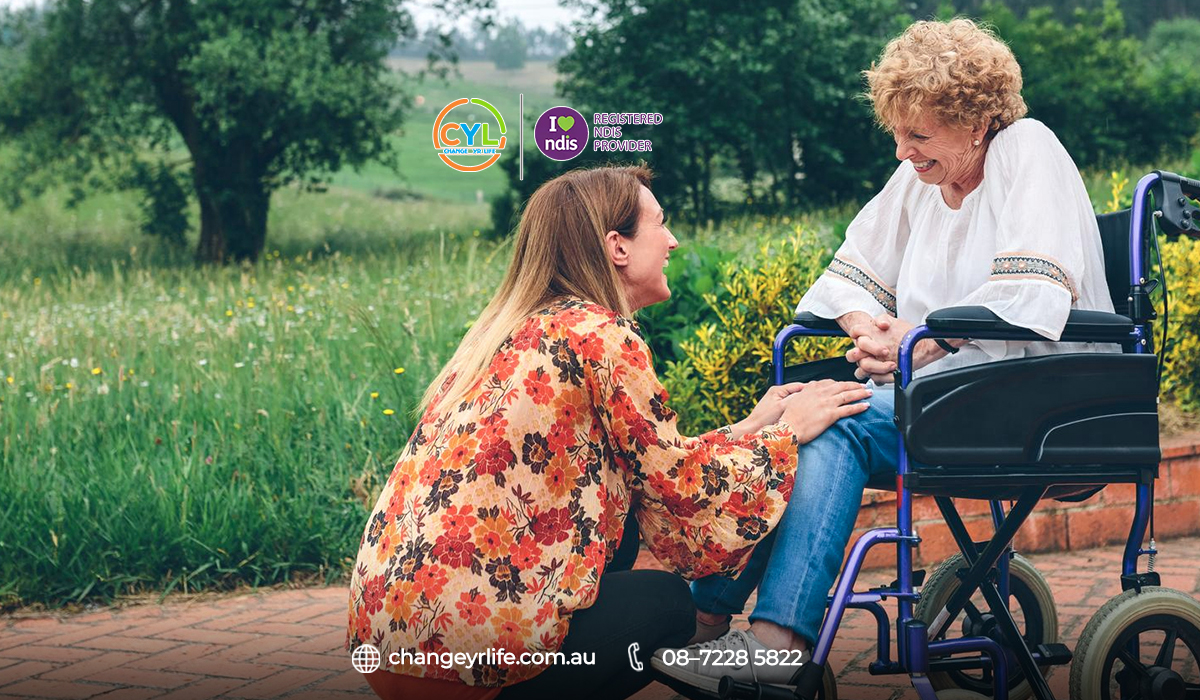
The Vital Role of NDIS Carers in Supporting People with Disabilities
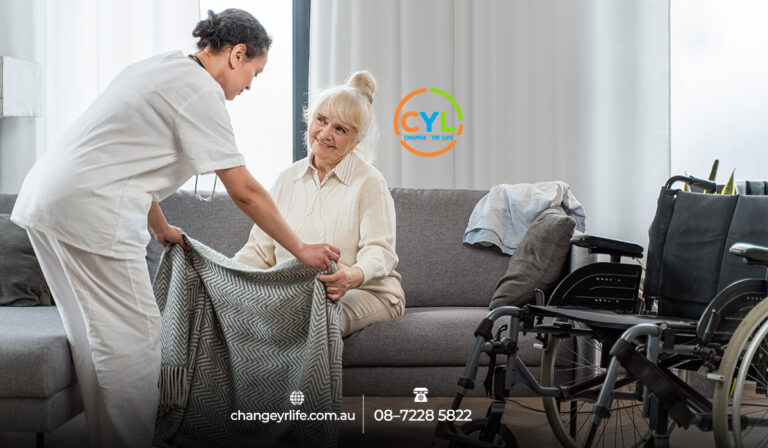
Caring for a person with a disability is not an easy task. This task involves meticulous care. In many cases, regardless of age, the person in question lacks autonomy or self-defense in specific situations. Assistance with daily tasks, such as getting up, moving around, eating, walking, and going to the doctor, is necessary, which is why the presence of an NDIS Carers Pt Adelaide for people with disabilities is extremely important.
These professionals are familiar with all the techniques and methods for caring for these patients with the skill, caution, and respect that the situation demands. Caregivers for people with disabilities undergo intensive training to be able to handle a wide variety of situations.
For those who have a disabled person at home and need to be away for an extended period, such as for work, this service is the ideal solution. Only an NDIS caregiver for people with disabilities will know how to provide the necessary care and offer the best assistance to that person who needs it so much.
If you want to know all the details about this service, read the content below to learn more.
What is to Know about NDIS Carers?
The NDIS Carers of people with special needs have a role that goes far beyond basic assistance. They not only help with daily activities, but also create a safe, comfortable environment adapted to the needs of each individual. His work is personalized, as each person with a disability has different challenges and abilities.
This professional’s work is not only functional, but also humane. They become a true partner to the family, ensuring that a person with special needs receives the appropriate care without losing their individuality and dignity.
Standard Services Of NDIS Carers
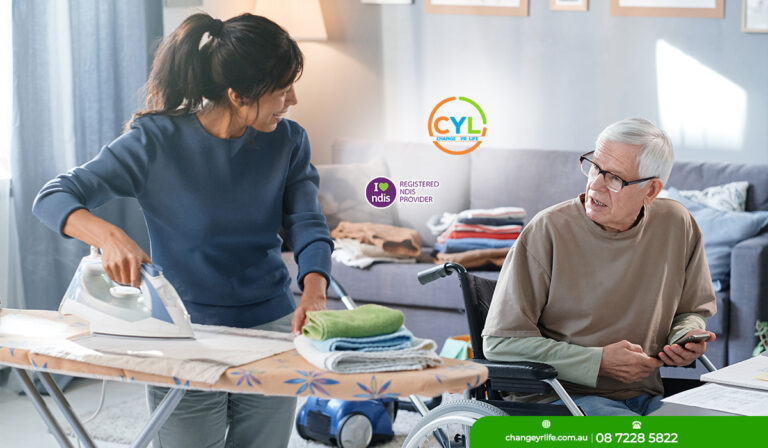
The duties of a caregiver for the disabled depend on the patient’s condition and diagnosis, but there is a standard set of services:
- performing hygiene procedures or providing assistance in their implementation
- providing for the supply and cleaning of the bedpan, changing diapers, washing
- anti-bedsore procedures: special massage, rubbing with therapeutic and prophylactic drugs, turning
- change of bed linen and underwear
- cooking and feeding
- timely administration of medications according to schedule, as well as administration of IVs and injections
- taking necessary readings (blood pressure, sugar level, temperature)
- maintaining the operating mode of connected medical equipment, monitoring the readings, and, if necessary, maintaining regular contact with the attending physician
- walks (the duration of time spent outdoors and the frequency of going outside are discussed)
- escort to the clinic
- airing the room
- running small errands
If the patient’s condition is serious, it is wise to provide the caregiver with the contact information of the treating physicians in case the patient’s health worsens.
The list can be adjusted to suit a specific situation. Typically, such questions are discussed immediately when hiring a caregiver for a disabled person through a special service, where professional managers will ask clarifying questions and formulate a care plan.
What advantages does NDIS Carers Offer?
a) Autonomy:
First and foremost, there is autonomy. There comes a day when older people can no longer do everything for themselves; this is completely normal and will happen to everyone as they reach advanced age. Therefore, thanks to this service, they can regain their autonomy and be freer and happier again.
b) Health:
In health matters, it’s essential to be well cared for and have someone monitor daily routines such as bathroom habits, medication use, any changes in diet or medication, etc. For your health, having daily support is also crucial.
c) Companionship:
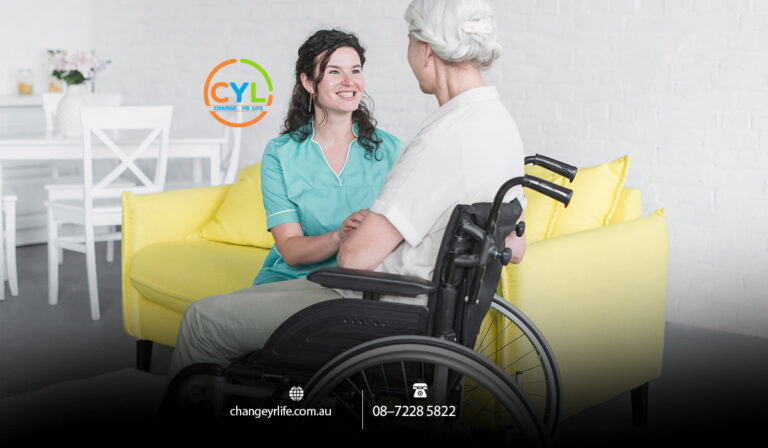
Companionship is essential for older adults. In fact, they tend to feel lonely because they often have no one to talk to. That’s why home care is so vital to them, because they’ll have someone by their side to talk to and socialize with. It can even be someone to take them for walks so they can chat with neighbors or acquaintances.
d) Accessible:
This service is becoming more accessible to a large number of elderly and dependent individuals, making it affordable for them. It’s also more economical than other services, such as a care home. For this reason, it’s important that you consider it.
e) It always adapts to your needs:
Another advantage is that it’s a service that can be fully adapted to each person’s needs at any time. Because you might need it today and not tomorrow, or need more hours one day than another, etc. You can adjust it to suit you.
Home care for dependent or elderly people is essential to ensure they are well cared for, healthy, happy and looked after.
What a good NDIS carers do?
i) Medical Knowledge
A good caregiver should be able to measure blood pressure, administer injections, give an enema, provide first aid, promptly recognize changes in a patient’s condition, and notify relatives.
ii) Knowledge of Dietetics
Nutrition is an important part of life for people with disabilities. Depending on your relative’s health, a health visitor will advise which foods are safe to eat and which are best avoided, and will create a suitable menu.
iii) Experience in Performing Sanitary and Hygienic Procedures
Washing, shaving, haircuts, treating bedridden patients with special anti-bedsores medications, and other procedures required by people with disabilities.
iv) Psychologist’s Skills
Disability leaves its mark on a person’s psychological and emotional state. Their focus shifts, their character deteriorates, and new fears arise. Home health nurses understand and take all these characteristics into account.
They know how to find the right approach for even the most difficult patients.
How To Choose The Best NDIS Caregiver For Your Family
The first step is to assess the specific needs of the person being cared for. Each condition requires a different type of care. If a person has motor difficulties, a caregiver with experience in mobility and posture can be essential. For someone on the autism spectrum, a professional who understands augmentative and alternative communication and behavioral management may be more suitable.
Before looking for a caregiver, list the main demands of your daily routine to have a clear understanding of the profile you need. For this, you have to ask some questions to the carers.
Some questions that can be asked include:
- What is your experience caring for people with special needs?
- How do you deal with stressful situations or resistance from the person you are caring for?
- Have you ever had to act in an emergency? What was it like?
- How do you organize the routine and encourage the autonomy of the person being assisted?
In addition to technical skills, it is essential that the caregiver has an empathetic, patient, and respectful personality. Ultimately, he will be dealing with someone who may have communication difficulties, challenging behavior, or physical limitations, requiring a sensitive and supportive approach.
What are The Things You Need To Monitor after Hiring a NDIS Carers?
At first, you need to observe how he interacts with the person being cared for, whether he follows the family’s instructions, and whether he is able to adapt to changes in routine. Maintaining an open channel for conversations and feedback is important to ensure that everything is going well.
Finally, compatibility between the caregiver and the person being cared for makes all the difference. Even if a professional is technically excellent, if they cannot create a bond of trust and affection, the care can become mechanical and less efficient.
Choosing a caregiver is more than just hiring a service; it’s about bringing someone into your home who will be part of your family member’s routine and development. Therefore, research, evaluate, and above all, trust your instincts when deciding who that person will be.
Caring for a person with special needs is a challenge that requires dedication, patience, and a lot of love. However, this journey doesn’t have to be a lonely one. Having a qualified caregiver can transform a family’s routine, providing greater safety, quality of life, and well-being for both the person being cared for and their family members.
Conclusion
Throughout this blog, we have seen that the caregiver’s role goes far beyond assisting with daily tasks. They contribute to the development, inclusion, and autonomy of the person being cared for, offering both technical and emotional support. Choosing the right caregiver makes all the difference, and this decision should be made with care and affection.
Whether you are seeking NDIS support or My Aged Care home services in Pt Adelaide, selecting trained and compassionate professionals is essential. If you feel it’s time to seek this support, Change Yr Life is ready to help. Our team is made up of qualified professionals, prepared to offer the best service and provide greater peace of mind for your family.
Contact us today.